
Blogs.
Blog 2, 19 February 2026 - Melbourne, Australia
20-40 Year Accommodation Planning - Infrastructure planning is decades-long, but workforce accommodation is often left to chance.
Extended STAY Australasia helps regions futureproof housing needs, aligning long-stay accommodation solutions with workforce cycles to keep projects on track and communities thriving.
Across Australia, regions are always future planning for infrastructure, energy transition and freight renewal. These programs involve billions in capital, decades of activity andtransformational shifts where industries and communities cluster.
Yet there is a critical blind spot in most long-term plans.
One key element is often overlooked; planning for the people who will build, operate and maintain these transformative projects, along with the supply chains that will support the opportunities these major investments unlock.
That gap isn't felt immediately.
It compounds quietly over time eventually surfacing as delays, budget strain, and community frustration adding to housing pressures that feel permanently out of balance. When housing is treated as an afterthought, local supply tightens and the stress lands squarely on councils, employers and community stakeholders. Creating a major issue if not accounted for.
Major infrastructure reshapes workforce patterns for decades.
Port upgrades alter freight pathways.
Terminal expansions shift logistics nodes.
Rail modernisation creates new clusters of specialised labour.
Energy transition projects generate multi-decade waves of construction, commissioning, operations and maintenance work.
If accommodation planning does not track these shifts, misalignment is inevitable.
“We start by looking ahead.”
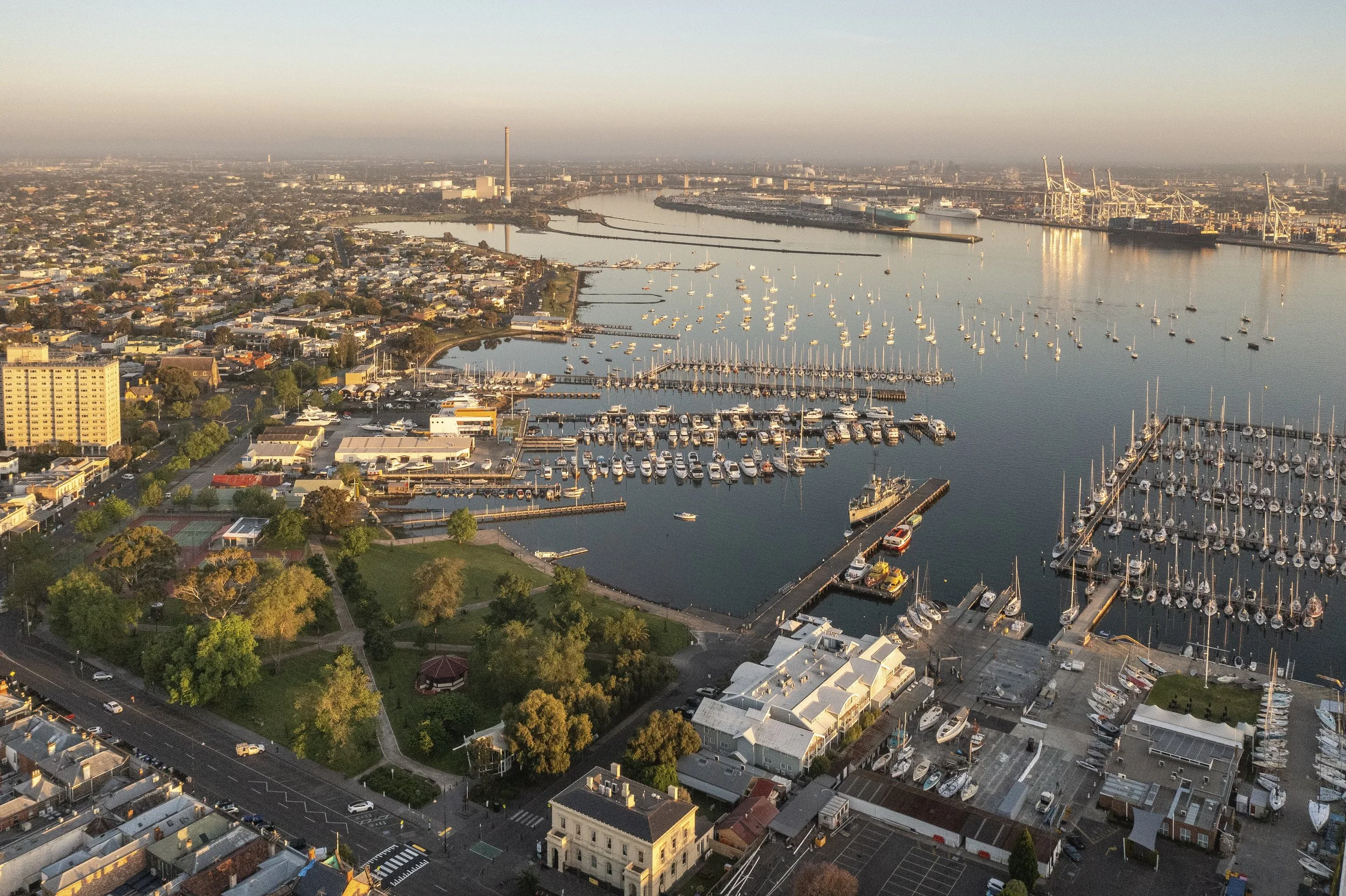
PHOTO CREDITS: © Mirro Photography
Our framework focuses on four critical questions.
What is the durable demand story?
We look past peak build years to understand the underlying forces that persist.
Where are the workforce anchors?
Program offices, ports, terminals, hospitals, education hubs and energy precincts act as long-term magnets for skilled labour.
What is the cadence of need?
The build, commissioning, operations and maintenance phases each require a different mix of short-stay, long-stay and residential accommodation.
How do we balance community outcomes?
We prioritise solutions that connect with main streets, local services and businesses so participation and spending stay in the community rather than bypassing it.

PHOTO CREDITS: © Francis Hodgson, Circa 1950-1960
Extended STAY Australasia (ESA) approaches this challenge as a partner to regions, councils and developers. We start by looking ahead.
We map multi-industry pipelines against projected regional housing capacity to see where and when long stay demand will outstrip available supply. Inputs include regional plans, freight strategies, port and terminal programs, intermodal development, energy precincts and nationally significant projects that reshape labour markets over time.
Then we stress-test those forecasts.
Policy changes.
Commodities move.
Technology evolves.
Workforce requirements flex.
We consider existing infrastructure.
Accommodation planning has to be robust enough to adapt to multiple scenarios.
“That is the long game.”
Planning for infrastructure is really planning for people.
When accommodation is left to chance, timelines slip and communities absorb the shock.
A staged long-stay strategy positions regions to move with workforce cycles instead of against them.
That is the long game Extended STAY Australasia helps councils, investors and developers play.